Every frame has a story behind it.
A seven-month strategic partnership. One extraordinary character. A film that proves what happens when you treat storytelling as craft, not content.
What We Walked Into
Yrefy is the only company in America refinancing defaulted private student loans. They’ve helped thousands of borrowers reclaim their financial futures. Their sales team regularly finishes calls in tears — not from frustration, but from the weight of what their borrowers have survived.
But their marketing didn’t reflect any of that.
What they had was Zoom testimonials, celebrity endorsements, and advertising built around a tone that didn’t match the people they actually serve. The messaging targeted recent college graduates with a comical, almost flippant energy. The real borrowers — established professionals whose life milestones had been put on hold for years — didn’t see themselves in any of it.
The company had a powerful story. They just hadn’t found anyone to tell it properly.
Seeing What They Couldn’t
Before we ever picked up a camera, we spent months inside the story.
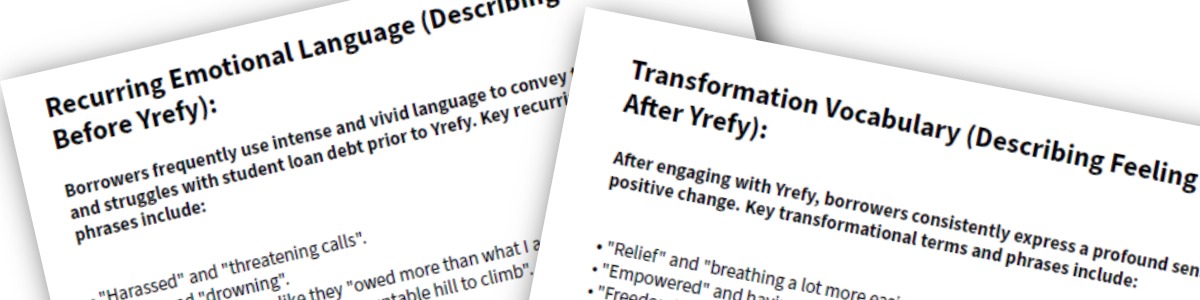
We analyzed fourteen existing borrower testimonials. We designed and deployed a survey to the broader borrower base. We conducted discovery interviews with candidates across the country. We mapped emotional language patterns — the actual words borrowers use to describe their experience before and after — and identified the real pain points.
The result was a Brand Voice & Messaging Insights Report that revealed a fundamental misalignment between the company’s marketing and their actual customer experience. Their ads targeted recent college graduates with a comical, almost flippant tone. Their real borrowers — established professionals who felt “drowning,” “harassed,” and “powerless” — were seeking dignity and empowerment. The company’s actual impact was far more compelling than anything their current marketing communicated.
This wasn’t a video production problem. It was a narrative problem. And solving it required strategic research before it required a single frame of footage.
Finding the One
From a field of candidates, one story rose to the surface.
A teacher from a small-town dairy farm. A woman who chose a career serving underprivileged kids, knowing the salary would never match the debt she carried. Creditors calling not just her — but her mother, her grandmother. Eight years of infertility, compounded by the financial impossibility of treatment. A marriage strained by the weight of it all.
And then — relief. A single phone call that cut her payments in half. Money freed up. IVF treatments finally possible. A baby on the way.
Her story wasn’t just compelling. It was proof — tangible, undeniable proof — that financial relief doesn’t just change a number on a spreadsheet. It creates life.
She was the one.
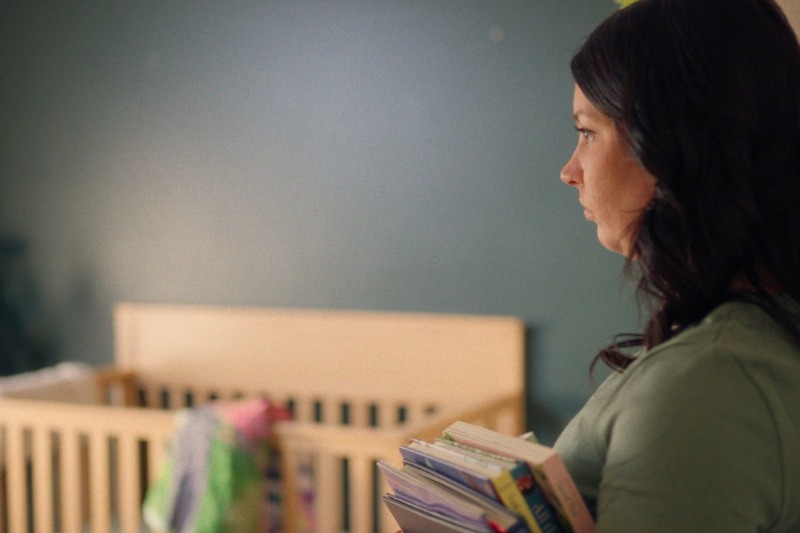
How We Made It
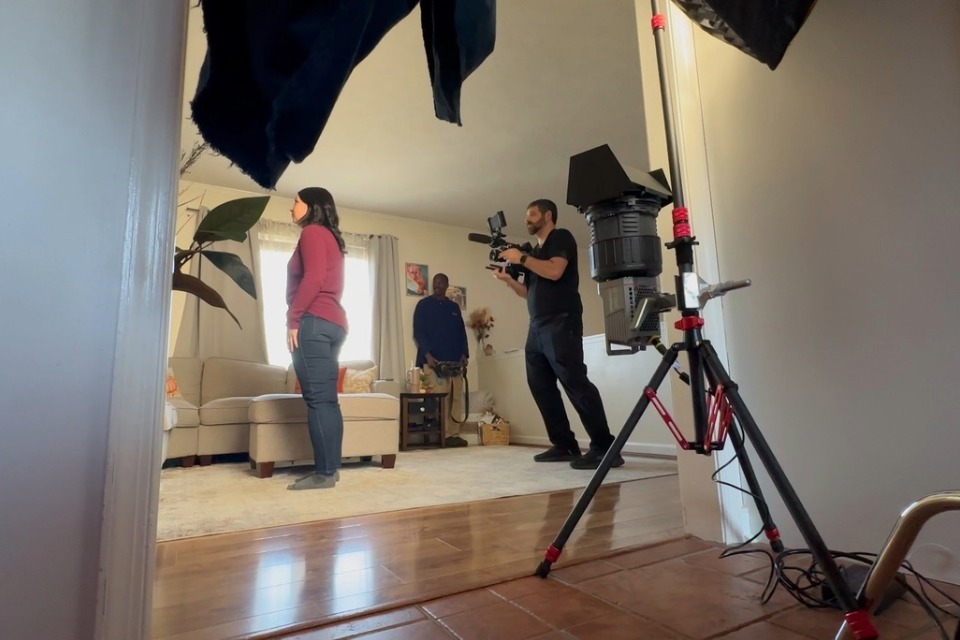
We don’t script. We don’t stage. We don’t ask people to perform their worst moments for a camera.
Our production philosophy is built around a simple principle: the subject’s comfort is the first deliverable, not the last consideration. Every creative decision — from location scouting to crew size to interview approach — is designed to protect the authenticity of the moment.
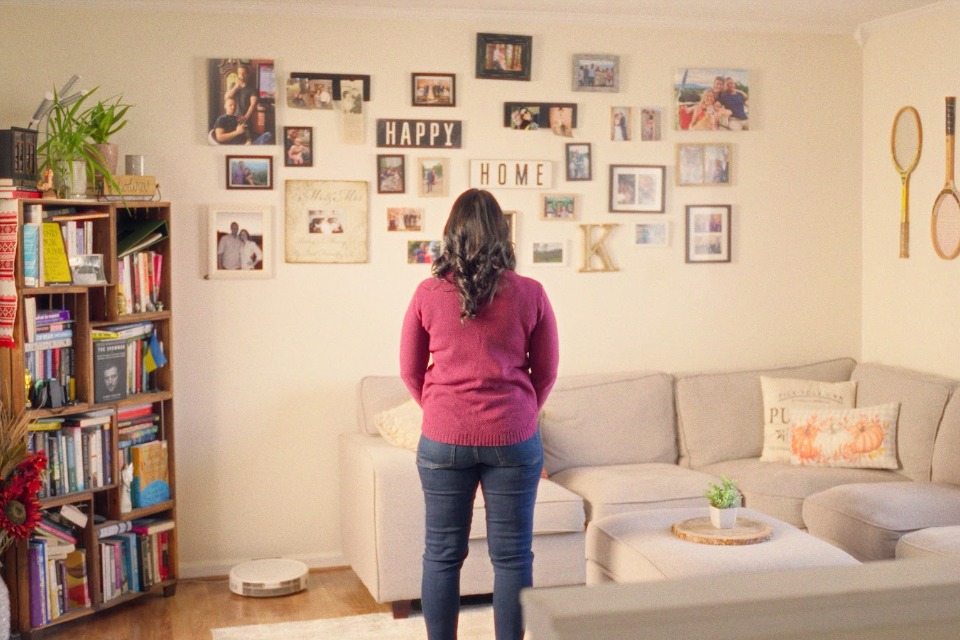
For this film, we developed what we call a Visual Echo structure. Present-day Sarah tells her story naturally, in her own home, in her own words. The painful past is told through objects and environments — a phone buzzing on a kitchen counter, a laptop glowing in a dark room, family photos on a wall — rather than asking her to relive or reenact anything.
The result is a film where the interview carries the emotional truth and the cinematography carries the emotional poetry. Sarah never had to perform. She just had to be herself.
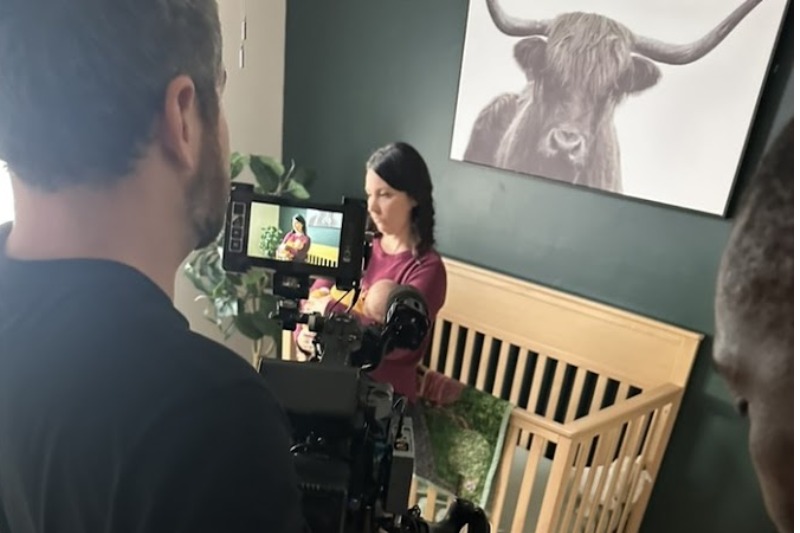
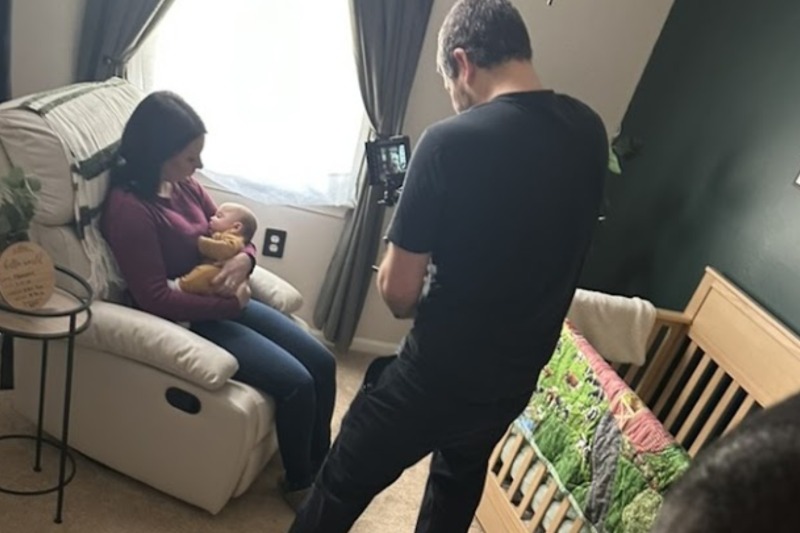
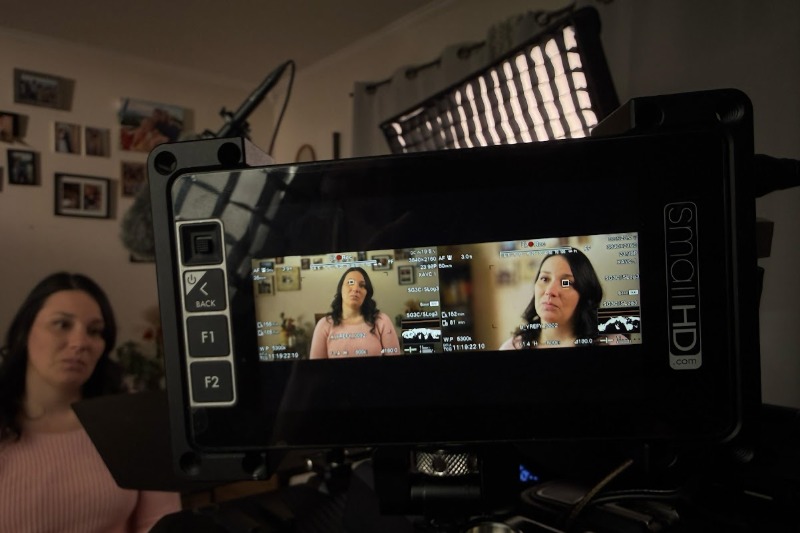
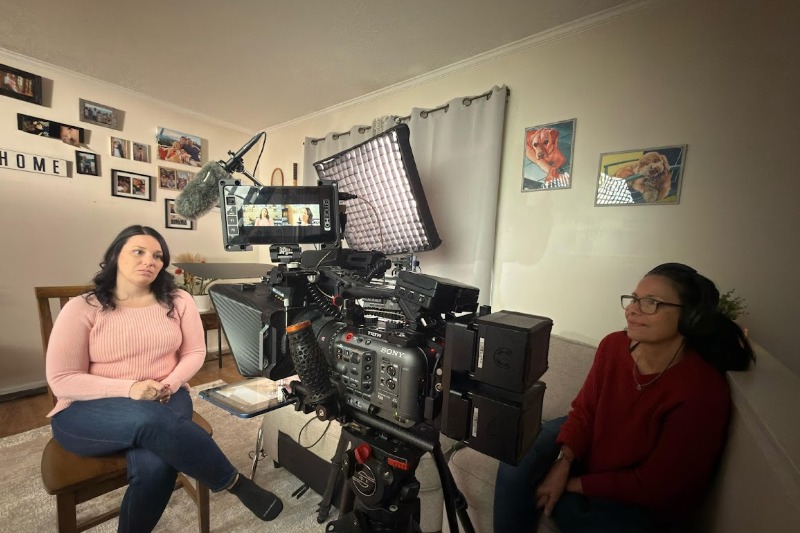
This is what it looks like when research, strategy, and cinematic craft come together in service of a real human story.
What One Story Built
This film wasn’t the end of the engagement. It was the beginning.
What started as a single project evolved into an ongoing quarterly storytelling partnership — a recurring commitment to find, develop, and produce one borrower transformation documentary every quarter. The strategic research that powered this first film became the foundation for a systematic approach to character identification that now runs continuously.
In parallel, the insights from our brand analysis led to a separate ad campaign development initiative, built on the same research methodology that uncovered the narrative gap in the first place.
One story. One character. One film — and it became the blueprint for an entirely new way the company tells its story to the world.